
One of the most common questions I receive from owners of MDR1-affected dogs is deceptively simple: what medications should I avoid? The answer, unfortunately, is more nuanced than a simple list. Different drugs carry different risk levels. Some must be avoided completely. Others can be used safely at appropriate doses. Still others require caution but are not absolutely contraindicated.
This article provides the most comprehensive drug reference I can offer, categorized by risk level and drug class. However, this information cannot replace consultation with your veterinarian. Drug interactions, individual patient factors, and specific clinical situations all influence prescribing decisions. Use this as a reference and a starting point for conversations with your veterinary team.
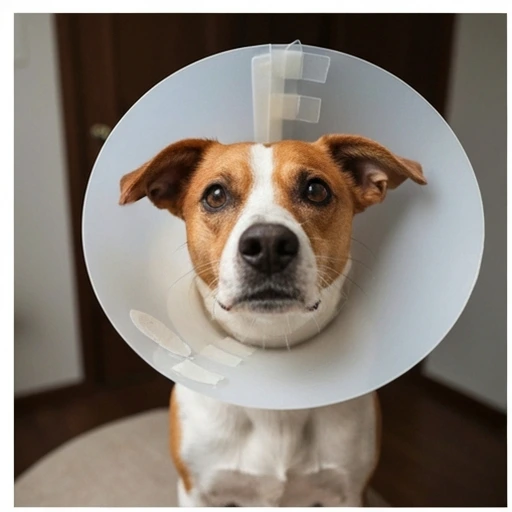
High-Risk Drugs: Avoid Completely or Use Only When Essential
These medications pose the greatest danger to MDR1-affected dogs and should generally be avoided. In situations where they are medically necessary, they should be used only under close veterinary supervision with appropriate monitoring and often at reduced doses.
Macrocyclic Lactone Antiparasitics (High Doses)
The macrocyclic lactones are the drug class most strongly associated with MDR1 toxicity. At high doses, they can cause fatal neurotoxicity.
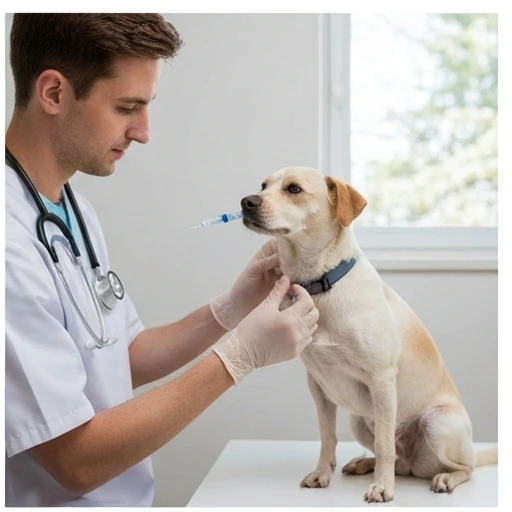
- Ivermectin - Extremely dangerous at doses above heartworm prevention levels. Never use livestock formulations. Avoid extra-label dosing for mange or other conditions.
- Moxidectin - Injectable long-acting formulations (ProHeart 6, ProHeart 12) create sustained exposure that cannot be stopped if toxicity develops.
- Doramectin - Cattle product (Dectomax) with no canine indication. Highly toxic if ingested.
- Abamectin - Agricultural insecticide. Dangerous if dogs access ant baits or treated areas.
- Eprinomectin - Cattle product with limited canine data. Assume high risk.
For detailed information on each of these drugs, see our comprehensive guide to macrocyclic lactones.
Loperamide (Imodium)
Loperamide is an opioid that normally does not cross the blood-brain barrier in significant amounts because P-glycoprotein pumps it out. In MDR1-affected dogs, it accumulates in the brain and causes severe CNS depression.
This drug is available over the counter and commonly kept in homes for human digestive upset. It should never be given to MDR1-affected dogs under any circumstances. Even modest doses can cause life-threatening toxicity.
Brand names include Imodium, Imodium A-D, and numerous store brands. The generic name is loperamide hydrochloride. Check ingredient lists carefully.
Loperamide Toxicity Signs
Signs typically appear 2-6 hours after ingestion and include:
- Profound sedation progressing to unresponsiveness
- Pinpoint pupils (unlike ivermectin which causes dilated pupils)
- Respiratory depression
- Hypothermia
- Bradycardia
Seek emergency veterinary care immediately if ingestion is suspected.
Certain Chemotherapy Drugs
Multiple cancer chemotherapy agents are P-glycoprotein substrates. MDR1-affected dogs receiving chemotherapy may experience increased toxicity and require modified protocols.
- Vincristine - Used for lymphoma and other cancers
- Vinblastine - Used for mast cell tumors and other cancers
- Doxorubicin - Anthracycline chemotherapy agent
- Paclitaxel - Used for various cancers
- Docetaxel - Related taxane chemotherapy
- Actinomycin D - Used for various cancers
If your MDR1-affected dog develops cancer, ensure the oncologist knows their genetic status before any treatment begins. Dose modifications or alternative protocols may be appropriate.
Moderate-Risk Drugs: Use with Caution
These drugs can often be used in MDR1-affected dogs but may require dose adjustments, careful monitoring, or consideration of alternatives. The risk is lower than the high-risk category but still warrants attention.
Acepromazine
Acepromazine is a phenothiazine tranquilizer commonly used for sedation. MDR1-affected dogs may experience more profound and prolonged sedation from standard doses. Many veterinarians reduce the dose by 25 to 50 percent in affected dogs or choose alternative sedatives.
Acepromazine is not immediately dangerous like ivermectin, but the enhanced sedation can complicate procedures and recovery. Discuss alternatives with your veterinarian before any procedure requiring sedation.
Butorphanol
Butorphanol is an opioid pain medication that may have enhanced effects in MDR1 dogs. It is commonly used for mild to moderate pain control and as part of sedation protocols. Dose reduction or alternative analgesics may be appropriate.
Macrocyclic Lactones at Prevention Doses
This may seem contradictory after listing macrocyclic lactones as high-risk, but the distinction is crucial. At the low doses used for heartworm prevention, most MDR1-affected dogs tolerate these medications without problems.
- Ivermectin at 6 mcg/kg monthly (Heartgard, etc.) - Generally safe
- Milbemycin oxime at prevention doses (Interceptor, etc.) - Excellent safety profile
- Selamectin at prevention doses (Revolution) - Good safety record
- Moxidectin topical (Advantage Multi) - Monitor for effects
See our guide to safe heartworm prevention for detailed product comparisons and recommendations.
Ondansetron (Zofran)
Ondansetron is an anti-nausea medication sometimes used in dogs. It is a P-glycoprotein substrate that may have enhanced effects in MDR1 dogs. However, clinical reports of significant toxicity are limited. It can typically be used with appropriate monitoring.
Cyclosporine
Cyclosporine is an immunosuppressant used for various immune-mediated conditions. MDR1-affected dogs may have higher blood levels of cyclosporine from standard doses. Therapeutic drug monitoring can help optimize dosing.
Digoxin
Digoxin is a heart medication used for certain arrhythmias and heart failure. P-glycoprotein affects its disposition, and MDR1 dogs may require dose adjustments. Blood level monitoring is standard practice with digoxin regardless of MDR1 status.
Lower-Risk Drugs: Standard Precautions Apply
These medications have been identified as P-glycoprotein substrates or inhibitors but generally do not cause the same severe toxicity seen with the high-risk drugs. Standard veterinary precautions apply.
Certain Antibiotics
- Erythromycin - P-glycoprotein inhibitor, may affect disposition of other drugs
- Ketoconazole and itraconazole - Antifungal agents that inhibit P-glycoprotein
These drugs are more notable for their potential drug interactions than for direct MDR1-related toxicity. When used with other P-glycoprotein substrates, they may increase levels of the other drug. Understanding the mechanism behind P-glycoprotein toxicity helps explain why these interactions matter.
Various Other Medications
Many medications interact with P-glycoprotein to varying degrees. The clinical significance in MDR1 dogs is not fully characterized for all of them. These include certain antihistamines, anti-seizure medications, and other drug classes.
| Drug Category | Risk Level | Recommendation |
|---|---|---|
| Ivermectin (high dose) | High | Avoid completely |
| Doramectin | High | Avoid completely |
| Loperamide (Imodium) | High | Avoid completely |
| Vinca alkaloid chemotherapy | High | Modified protocol needed |
| ProHeart 6/12 | Moderate-High | Avoid due to sustained release |
| Acepromazine | Moderate | Reduce dose or use alternative |
| Butorphanol | Moderate | Reduce dose, monitor closely |
| Ivermectin (prevention dose) | Low | Generally safe at label doses |
| Milbemycin (prevention dose) | Low | Preferred for MDR1 dogs |
| Selamectin (prevention dose) | Low | Generally safe at label doses |
Safe Alternatives
For many clinical situations, safer alternatives to problematic drugs exist. Your veterinarian can select medications that avoid P-glycoprotein concerns entirely.
Anti-Diarrheal Alternatives
Instead of loperamide, consider supportive care with fluid therapy, dietary management, probiotics, or other anti-diarrheal medications that do not interact with P-glycoprotein. Metronidazole is commonly used for infectious diarrhea and does not carry MDR1-specific risks.
Sedation Alternatives
Instead of acepromazine, consider dexmedetomidine, trazodone, or gabapentin for sedation or anxiety management. These drugs do not have the same MDR1-related concerns, though each has its own considerations.
Pain Management Alternatives
Opioids other than butorphanol are available. NSAIDs like carprofen or meloxicam do not interact with P-glycoprotein. Gabapentin provides neuropathic pain control without MDR1 concerns. Your veterinarian can create an appropriate pain management plan.
Drugs That Are Generally Safe
Most medications are not affected by MDR1 status. Common drugs including most antibiotics, most anti-inflammatory medications, most heart medications, and most anesthetics do not require special consideration for MDR1 dogs.
This includes commonly used drugs such as:
- Most antibiotics (amoxicillin, cephalosporins, fluoroquinolones, etc.)
- NSAIDs (carprofen, meloxicam, deracoxib, etc.)
- Most heart medications (enalapril, benazepril, atenolol, etc.)
- Thyroid medications
- Most anesthetic agents
- Vaccines
- Most topical medications
If a medication is not on the list of P-glycoprotein substrates, it is likely safe from an MDR1 perspective. Other considerations like allergies, drug interactions, and organ function still apply.
Before Any Veterinary Visit
Whenever your MDR1-affected dog sees a veterinarian, whether for routine care, illness, or emergency, ensure the following:
- Confirm their medical record prominently notes MDR1 status
- Verbally remind the veterinary team at each visit
- Ask about any planned medications before administration
- Inquire about post-procedure medications before discharge
- Check any sent-home prescriptions against your MDR1 reference list
Errors happen in busy veterinary practices. Multiple layers of verification help catch potential problems before drugs are administered. The breed prevalence statistics can help you understand your dog's baseline risk level.
Emergency Situations
If your dog needs emergency care, MDR1 status may not be the first thing on your mind. Preparation helps.
Keep your dog's MDR1 documentation with their other health records. Carry emergency contact cards in your wallet that note their status. Ensure collar tags or microchip registration include this information.
When arriving at an emergency clinic, state immediately that your dog is MDR1-affected. This information guides drug selection for pain control, sedation, anesthesia, and other treatments that might be needed urgently.
Emergency Checklist
Before an emergency:
- Ensure MDR1 status is noted on collar tag
- Register MDR1 status with microchip company
- Keep copy of genetic test results with health records
- Know location of nearest 24-hour emergency clinic
During an emergency:
- State MDR1 status immediately upon arrival
- Ask about any medications before administration
- Request the team document MDR1 status in emergency records
Keeping Current
Research on P-glycoprotein substrates continues, and the list of affected drugs evolves. Washington State University's Veterinary Clinical Pharmacology Laboratory maintains current reference information. Periodic review ensures you have the latest recommendations.
Your veterinarian should also stay current on MDR1-related prescribing. A veterinarian who has not heard of MDR1 or seems unfamiliar with drug restrictions may need education or may not be the right fit for managing an affected dog's care.
The understanding of MDR1 drug sensitivities has advanced dramatically since the mutation was identified in 2001. Dogs that would have died from routine medications a generation ago now live safely because we understand what to avoid. Stay informed, communicate clearly, and your MDR1 dog can receive all the medical care they need without unnecessary risk. For comprehensive home protection strategies, review our home safety guide.