
The emergency room case that haunts me most involved a young Australian Shepherd who got into her owner's purse. Inside was a bottle of loperamide, purchased that morning for a family member's stomach upset. The dog chewed through the childproof cap and swallowed an unknown number of tablets. By the time the owner found the damaged bottle, the dog was already showing neurological signs.
Loperamide, sold as Imodium and generic equivalents, is a P-glycoprotein substrate that can cause severe toxicity in MDR1-affected dogs at doses that are perfectly safe for humans. A dose that would stop a person's diarrhea can send an MDR1-affected dog into a coma. See our complete drug list for other medications that pose similar risks.
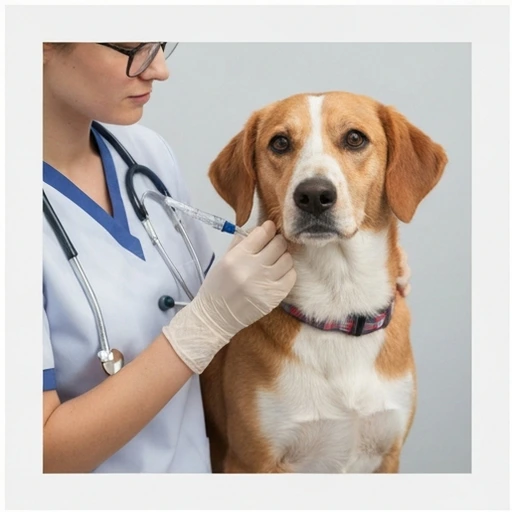
This case, like so many I have treated, was entirely preventable. The owners did not know their dog was MDR1-affected. They did not know loperamide was dangerous. They did not know their purse on the floor was a ticking time bomb. Every one of those knowledge gaps could have been closed before tragedy struck.
Understanding the Threat Environment
Dogs with MDR1 mutations face danger from substances that would be harmless to normal dogs. The P-glycoprotein pump that protects the brain from certain drugs is compromised or absent. Medications that stay out of a normal dog's central nervous system flood into an MDR1-affected dog's brain.
The most dangerous substances for MDR1 dogs include the macrocyclic lactone antiparasitics (ivermectin, moxidectin, milbemycin at high doses, selamectin at high doses), loperamide, certain cancer chemotherapy agents, and some other medications. The complete guide to macrocyclic lactones covers the antiparasitic drug class in detail.
Home safety for an MDR1 dog means identifying where these substances exist in your environment and either eliminating them or securing them so thoroughly that accidental access is impossible. Dogs are creative, persistent, and often hungry. A motivated dog can access things you thought were safe.
The Medicine Cabinet and Bathroom
Most human medications are stored in bathrooms, and this is where many exposures begin. Start by conducting a complete inventory of every medication in your bathroom, including prescription drugs, over-the-counter medications, and supplements.
Loperamide is the most common danger lurking in medicine cabinets. It is sold under brand names including Imodium, Imodium A-D, and numerous store brands. If you have MDR1 dogs, I recommend not keeping this medication in your home at all. Use alternative anti-diarrheal products like bismuth subsalicylate (Pepto-Bismol) which, while not recommended for dogs either, is not specifically dangerous due to MDR1 status.
Other medications that interact with P-glycoprotein include certain heart medications, some antidepressants, and various other prescription drugs. Ask your veterinarian for a complete list relevant to your dog's situation. For any medications you must keep, use a locked medicine cabinet or store them in a location completely inaccessible to your dog.
- Remove all loperamide products from the home
- Install childproof latches on cabinets if dog can open doors
- Store medications on high shelves in closed cabinets
- Never leave medications on counters, even temporarily
- Keep bathroom doors closed or use baby gates
- Dispose of expired medications properly, not in trash dogs can access
The Kitchen and Living Areas
Medications migrate throughout homes. Pills get dropped during meal prep. Purses containing medications sit on floors. Prescription bottles end up on coffee tables after pharmacy trips. Children carry medications between rooms. Every one of these scenarios creates access opportunities for a curious dog.
Establish a household rule: medications never touch surfaces below counter height. This seems extreme until you consider that a single dropped loperamide tablet can cause an emergency. Dogs are remarkably good at finding and eating dropped pills before humans even notice they have fallen.
Purses, bags, and backpacks deserve special attention. Many people carry emergency medications, pain relievers, or anti-diarrheal tablets in their daily bags. These bags often end up on floors where dogs can access them. If you carry any P-glycoprotein substrate medications, keep your bag on a hook or shelf, never on the floor when your dog is around.
Guest management becomes important too. Visitors may have medications in their bags, pockets, or luggage. When guests visit, either ensure their belongings are stored where your dog cannot access them, or keep your dog in a separate area during the visit.
The Garage and Outdoor Spaces
For families with livestock, the garage or barn is the most dangerous area on the property. This is where ivermectin and other macrocyclic lactone products are typically stored. A single tube of horse ivermectin paste contains enough drug to kill an MDR1-affected dog many times over.
All livestock medications should be stored in locked cabinets. Not childproof containers, not high shelves, but actual locked storage. Dogs can climb, knock things down, and chew through plastic containers. A determined dog who smells the flavored paste in horse wormer will find a way to access it unless physical locks prevent them.
Disposal of used livestock medication containers requires equal care. Dogs have been poisoned by licking residue from syringes, tubes, and bottles in trash cans. Used livestock medication containers should go directly into secure garbage that dogs cannot access, or better yet, should be rinsed thoroughly before disposal.
Farm and stable areas where your dog might visit require assessment too. Are there medications stored at heights a dog could reach? Are there used syringes or empty containers in manure piles or around stalls? Dogs will explore these areas and find things humans overlook.
Livestock Medication Safety Protocol
Storage: All macrocyclic lactone products (ivermectin, moxidectin, doramectin, etc.) must be in locked cabinets
Application: Dogs should be completely excluded from the area when treating livestock
Disposal: Used containers, syringes, and tubes go directly into secure trash after thorough rinsing
Access: Dogs should not have unsupervised access to barns, stables, or areas where livestock medications are used
Garden and Yard Considerations
Abamectin, a macrocyclic lactone related to ivermectin, is used in some garden insecticides and ant baits. Check any pest control products you use in your yard or garden. If they contain abamectin, consider switching to alternatives or ensuring your dog cannot access treated areas or bait stations.
Ant bait stations can be particularly tempting to dogs. They often contain sweet attractants, and dogs may chew through the plastic housing to access the bait inside. If abamectin-containing bait stations are necessary, place them in locations completely inaccessible to your dog, such as behind heavy furniture or in fenced areas.
Compost piles that might contain animal manure from treated livestock present a potential risk. Macrocyclic lactones can pass through animals and persist in manure. If your compost includes manure from ivermectin-treated animals, fence it off from your MDR1 dog.
Traveling with MDR1 Dogs
Travel introduces new environments with unknown hazards. When staying at hotels, rental properties, or friends' homes, you cannot control what medications might be present. Take precautions to minimize your dog's access to areas you have not inspected.
Keep your dog confined to areas you have checked when staying in unfamiliar places. Bathrooms and medicine cabinets in guest accommodations may contain dangerous medications. Garages, sheds, and outbuildings at rural rental properties may store livestock products.
When boarding your dog, ensure the facility knows about MDR1 sensitivity and what medications to avoid. Provide written documentation of your dog's status. Some boarding facilities and groomers use topical flea treatments that contain macrocyclic lactones. Confirm what products they use and ensure safe alternatives are available.
Carry your dog's MDR1 documentation when traveling. If an emergency occurs away from home, the treating veterinarian needs to know immediately that your dog has drug sensitivities. A card in your wallet or phone can communicate this critical information when you might be too stressed to remember details.
Emergency Preparedness
Despite best precautions, exposures can happen. Preparing for emergencies improves outcomes. Keep your veterinarian's emergency contact information readily accessible. Know the location and hours of the nearest 24-hour emergency veterinary clinic. Have the ASPCA Animal Poison Control Center number saved in your phone: 888-426-4435.
Create an emergency information sheet for your dog that includes their MDR1 status, weight, microchip number, and any other relevant health information. Keep copies at home, in your car, and with any pet sitter or family member who might care for your dog.
Consider keeping hydrogen peroxide on hand to induce vomiting if recommended by a veterinarian or poison control. However, never induce vomiting without professional guidance. In some situations, vomiting is contraindicated and can make things worse. Always call for advice first. Our first aid guide provides step-by-step emergency protocols.
Emergency Contact Information
ASPCA Animal Poison Control: 888-426-4435 (fee applies)
Pet Poison Helpline: 855-764-7661 (fee applies)
Your Emergency Vet: [Add your local emergency clinic number]
Have your dog's weight and a description of the ingested substance ready when you call.
Educating Family Members and Visitors
Home safety requires everyone in the household to participate. Children old enough to understand need to know that certain medications are dangerous to the dog and must never be accessible. They need to understand why the dog cannot go certain places and why medications must be secured.
Adult family members need the same education with more detail. Everyone who lives with or regularly cares for your dog should understand MDR1 sensitivity, know which medications are dangerous, and commit to keeping those substances secured.
Create visual reminders if helpful. A list of dangerous medications posted inside a medicine cabinet door serves as a daily reminder. A note on the garage door reminding family to secure livestock medications reinforces good habits.
When guests visit, a brief explanation protects your dog. You do not need to deliver a veterinary lecture, but guests should know to keep their medications and bags out of the dog's reach. Most people readily comply once they understand the consequences.
Identification and Documentation
Your dog should wear identification that communicates their MDR1 status. Collar tags that say something like "MDR1 AFFECTED - No Ivermectin" alert anyone who might handle your dog in an emergency. Microchip registrations can include medical notes. Veterinary records should prominently flag MDR1 status.
Some owners have their dog's MDR1 status tattooed inside the ear. This permanent identification ensures the information is always available even if tags are lost. Discuss this option with your veterinarian if interested.
Keep a copy of your dog's MDR1 test results with their medical records. This documentation proves their status to any new veterinarian and ensures the information is transmitted accurately.
Building Safe Habits
Home safety is not a one-time project but an ongoing practice. Periodically audit your home for new hazards. Did someone bring a new medication into the house? Did you purchase a pest control product you had not used before? Has something changed in how medications are stored?
After veterinary visits, ensure any medications prescribed are stored safely immediately upon returning home. Do not set the bag down while you attend to other things. Secure medications first.
When purchasing new products, check ingredient lists for macrocyclic lactones before bringing them home. This applies to pet products, garden products, and livestock products. Prevention starts at the store.
Teach your dog solid obedience commands including leave it and drop it. While these commands are not substitutes for physical prevention, they provide an additional safety layer if your dog does encounter something dangerous. A dog who reliably drops items on command gives you a chance to intervene.
Living Well with MDR1 Sensitivity
Home safety measures may seem extensive when first implementing them, but they quickly become routine. Most families find that the adjustments integrate smoothly into daily life. Locked cabinets become normal. Checking guest bags becomes automatic. Scanning for hazards becomes second nature.
The reward for this vigilance is a dog who lives a full, healthy life without ever experiencing the trauma of drug toxicity. MDR1 sensitivity is completely manageable. Dogs with this genetic status do not need to be wrapped in cotton wool. They need informed owners who understand the specific risks and take reasonable precautions.
Your MDR1 dog can play, run, explore, and live joyfully. They simply need their environment modified to remove specific dangers. That is a small price for the peace of mind that comes from knowing you have protected your companion from preventable harm.
If you are unsure whether specific medications in your home pose risks, consult your veterinarian. If you want a comprehensive list of P-glycoprotein substrate drugs, Washington State University's Veterinary Clinical Pharmacology Laboratory maintains an excellent resource. For information on which breeds are at highest risk, review our breed prevalence statistics. Take the time to learn what is dangerous, then systematically eliminate or secure those hazards. Your dog's safety depends on your diligence.